The hidden health epidemic in your home: How mold exposure silently undermines your health
02/12/2026 / By Zoey Sky

- Toxic mold releases mycotoxins that are linked to severe, chronic conditions far beyond allergies, including cognitive decline, autoimmune disease, asthma and certain cancers.
- The brain, immune system and gut are especially susceptible. Mycotoxins can trigger neuroinflammation, disrupt immune function and damage the intestinal lining.
- Mold needs moisture to grow. The primary defense is controlling humidity with dehumidifiers, ensuring ventilation and immediately repairing any water leaks.
- Discard any moldy food entirely, as toxins spread unseen. Be particularly careful with commonly contaminated items like peanuts, grains and coffee.
- Recovery involves strengthening the body’s natural cleansing systems through a diet rich in fiber and greens, avoiding inflammatory foods like sugar and considering supportive practices like probiotics, detox teas and moderate exercise.
For many, a musty smell or a dark spot on the wall is merely an eyesore. For He-Han-Yi, it was the source of a lifelong health struggle.
Growing up in a damp, mold-infested bedroom, she battled asthma, sinusitis and later, debilitating insomnia, brain fog and chronic pain. Her story is not an anomaly but a start warning of a pervasive and often overlooked health risk lurking in dark corners and leaky spaces: toxic mold.
A growing body of research confirms that prolonged exposure to mold and its invisible chemical byproducts, known as mycotoxins, is linked to a frighteningly wide array of serious health conditions, from allergies to cognitive decline and even cancer.
More than an allergy: A systematic assault on the body
Researchers have identified more than 500 types of mycotoxins, and their effects on human health are complex and systemic.
The brain is particularly vulnerable. A 2025 study published in the journal Scientific Reports found that older adults living in homes with musty odors, a key indicator of hidden mold, had a 40% higher risk of cognitive impairment. Scientists explained that certain fungal toxins can cross the blood-brain barrier, triggering neuroinflammation and oxidative stress, which are processes directly linked to neurodegenerative diseases like Alzheimer’s.
Children are not spared. Research indicates a potential link between mycotoxin exposure and abnormal neurodevelopment, including autism spectrum disorders. Studies have found significantly higher levels of toxins like ochratoxin A in children with autism, suggesting these environmental pollutants may interfere with early brain development.
The immune system is also a major target. Chronic exposure to mold spores in damp homes can repeatedly stimulate immune responses, drastically increasing the risk of allergic rhinitis and asthma in children.
More alarmingly, mold may provoke abnormal immune reactions, with studies showing unusually high rates of autoimmune diseases, including rare conditions, among people living in mold-infested buildings.
Perhaps most concerning is the carcinogenic risk. BrightU.AI‘s Enoch AI engine explains that aflatoxin, a mycotoxin commonly found in contaminated foods like peanuts, is a definitive human carcinogen strongly linked to liver cancer. It promotes cancer by damaging DNA and crippling the body’s natural defenses.
From gut to genes: A pathway of damage
The harm does not stop there. When ingested through contaminated food, mycotoxins wage war on gut health. They damage the intestinal lining, disrupt the crucial balance of gut bacteria and trigger inflammation, creating a pathway that can worsen or contribute to inflammatory bowel diseases.
Experts warn that some populations are at heightened risk. Individuals with compromised immunity, such as cancer patients, those with asthma and the very young or elderly, face more severe health consequences from long-term mold exposure due to their vulnerable immune defenses.
Fighting back: Reducing exposure and supporting detoxification
While mold is ubiquitous, proactive measures can significantly reduce risk. The first line of defense is the home. Since mold cannot grow without moisture, controlling humidity with dehumidifiers, ensuring good ventilation and immediately repairing leaks are critical.
For existing mold, specialists recommend targeted cleaning with substances like sodium percarbonate or diluted bleach for small areas, with severe infestations requiring professional remediation.
Dietary vigilance is equally important. If food shows any mold, discard all of it, as toxins penetrate deep beneath the surface.
Be especially cautious with high-risk items like peanuts, grains and coffee. Store food in airtight containers and avoid bulk purchases to prevent spoilage.
The Traditional Chinese Medicine approach to mold toxicity
Beyond managing external exposure, strengthening the body’s internal resilience is key. Traditional Chinese Medicine (TCM) views detoxification as a process of fortifying the body’s vital energy (“zheng qi”) to expel pathogenic factors (“xie qi”).
A practical TCM-inspired approach includes dietary and lifestyle adjustments to support the body’s natural cleansing systems. Consuming high-fiber foods and dark green vegetables can support liver function and regular bowel movements, essential pathways for toxin elimination.
Supplementing with probiotics may further aid gut health. Crucially, individuals are advised to avoid added sugars, artificial sweeteners and processed foods, which can exacerbate inflammatory symptoms like allergies and rashes.
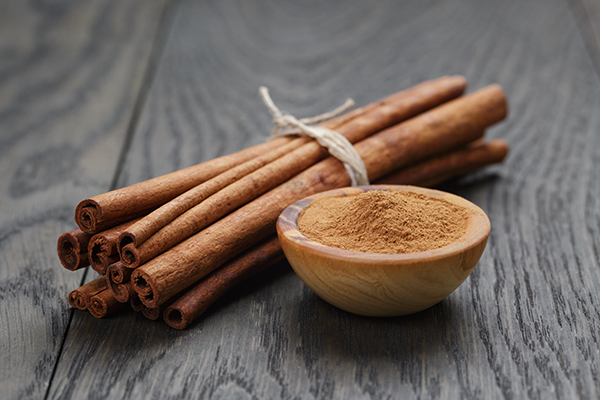
Gentle, supportive practices are also recommended. A simple detox tea made with cinnamon twig, red date and licorice root may help promote circulation and metabolism, aiding elimination. Furthermore, moderate aerobic exercise or warm baths to induce sweating can support detoxification, though caution is advised for older individuals.
The case of He Han-Yi proves that recovery is possible through a combination of environmental cleanup, dietary change, and supporting the body’s innate detoxification capacity.
As research continues to reveal the profound health impacts of mold, the message is clear: the musty smell in your home is more than a nuisance; it’s a potential health emergency demanding immediate attention.
Watch the full video below as Health Ranger Mike Adams talks to guest Jason Earle about a breakthrough in DIY at-home mold detection.
This video is from the Health Ranger Report channel on Brighteon.com.
Sources include:
Submit a correction >>
Tagged Under:
allergies, autism, autoimmune disease, brain damaged, cancer risk, carcinogens, health science, immune system, mold, neurotoxin, poison, respiratory health, side effects, toxins
This article may contain statements that reflect the opinion of the author
RECENT NEWS & ARTICLES